
Beginning of long-range facilities planning for the district
The School District of Lancaster administration presented a long-term facilities and financial planning update to the Board of School Directors during its Committee of the Whole meeting Oct. 13, outlining recommendations designed to modernize, rightsize, and optimize the district’s schools and facilities.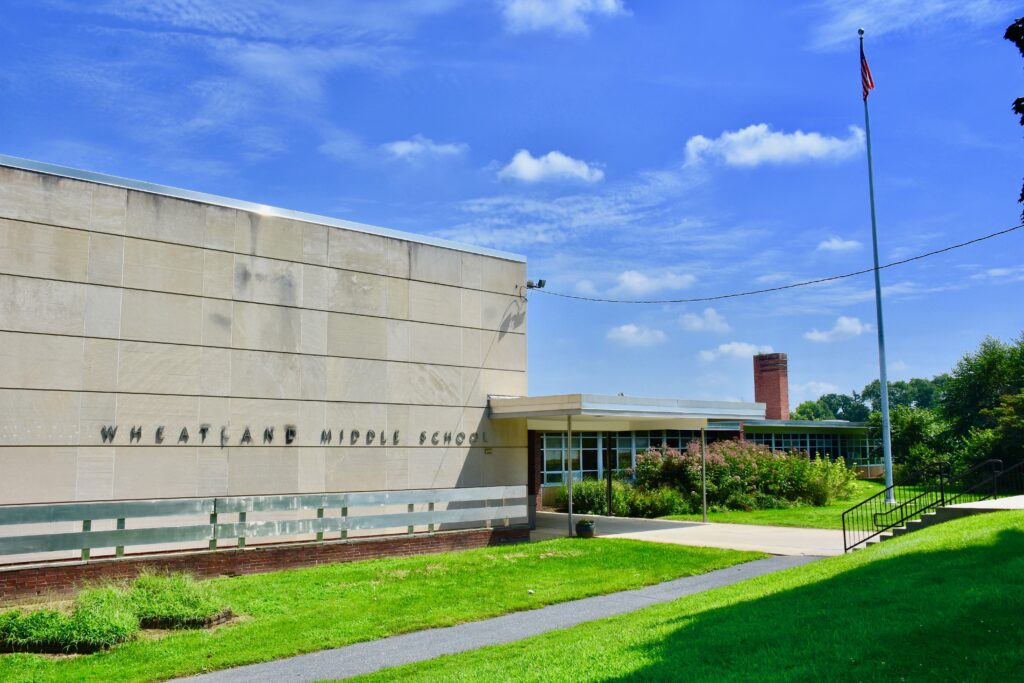
As part of the presentation, Superintendent Dr. Keith Miles recommended closing Wheatland Middle School and converting E.R. Martin School into a traditional middle school beginning with the opening of the district’s new consolidated elementary school, currently scheduled for the 2029-2030 school year.
District leaders emphasized that the recommendation would not affect current students for several years and would occur alongside a broader review of elementary and middle school attendance boundaries.
“This recommendation is part of a much larger conversation about how we position the School District of Lancaster for long-term success,” Miles said. “We have a responsibility to align our facilities with enrollment realities, manage significant financial challenges, and ensure we are making decisions that are right for students, right for each other, and right for the future.”
Why change is being considered
The presentation highlighted several factors influencing the recommendation, including declining enrollment, underutilized school buildings, aging facilities, and long-term financial pressures.
District data show that enrollment has declined substantially over the past decade and is projected to continue decreasing in the years ahead. At the same time, the district continues to maintain more facility capacity than is needed for its projected student population.
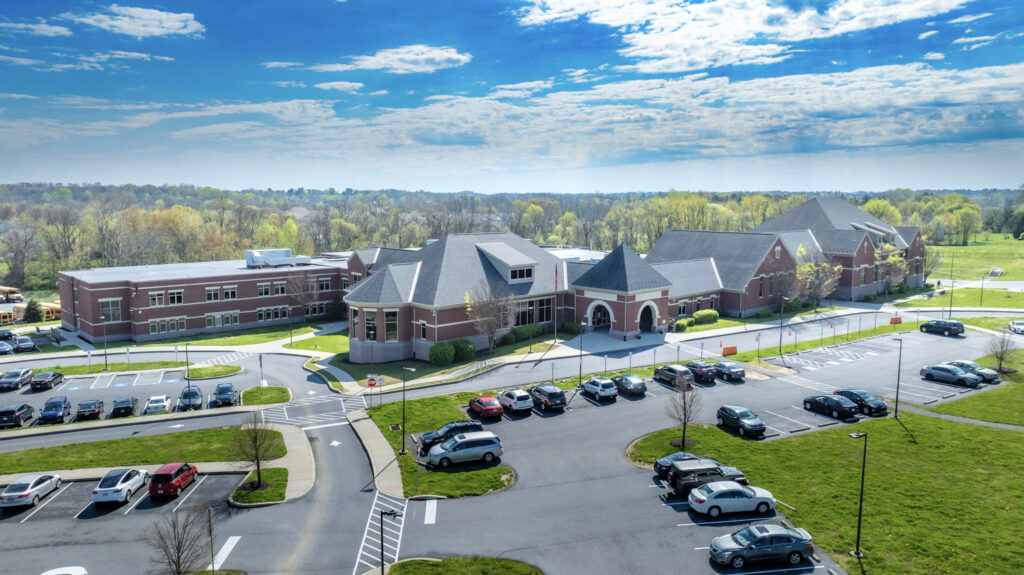 Administrators also discussed the district’s long-term financial outlook, including future debt obligations and the need to carefully evaluate capital investments. Financial advisors have encouraged the district to avoid taking on significant additional debt in the foreseeable future, making it necessary to reconsider facility plans previously developed under different financial conditions.
The recommendation represents a change from plans presented in 2024, when the district anticipated converting Martin into a traditional K-5 elementary school and constructing a new Wheatland Middle School. District leaders said updated enrollment projections, financial forecasts, and facility planning considerations prompted a reevaluation of those earlier assumptions.
Looking beyond Wheatland and Martin
In addition to the Wheatland and Martin recommendation, the administration announced plans to establish a Right for the Future Task Force, a district planning group that will help guide future facilities decisions.
The task force will review the district’s Master Facilities Study, enrollment trends, utilization data, educational priorities, financial projections, and community feedback. Its work will help inform recommendations regarding the long-term configuration of district schools and facilities.
District leaders said future community engagement opportunities, including surveys and other feedback mechanisms, will help inform the task force’s work.
“We know schools are more than buildings,” Miles said. “They are places where students learn, families connect, and communities create lasting memories. As we think about the future, it’s important that we understand not only our financial and enrollment realities, but also the values our community wants reflected in its schools.”
What comes next
The recommendation presented during the Committee of the Whole meeting is the beginning of a longer planning process that will unfold over the coming months and years.
If ultimately approved, the Wheatland and Martin changes would not take effect until the opening of the new consolidated elementary school, currently scheduled for the 2029-2030 school year.
The district will continue sharing information, gathering feedback, and engaging stakeholders as it works to balance educational opportunities, facility needs, and financial sustainability.
“Our goal is not simply to change buildings,” Miles said. “Our goal is to ensure that future generations of students have access to strong schools, modern learning environments, and the opportunities they deserve.”